Originally published in FC Business, Issue 175, August 2026. Photography: Boxcey.
For many years, football retail was a straightforward affair.
The club shop’s role centred around the selling of replica shirts, scarves, hats and a range of traditional branded merchandise products. Retail success was largely based on the performance of the new kit launch, matchday footfall and the volume of stock sold before the end of the season.
This model has far from disappeared. Replica sales remain the heartbeat of most club retail businesses and, for many supporters, the shirt is the single most important product they will buy. However, the role of club retail is changing.
The most progressive clubs are no longer thinking only about traditional merchandising. They are thinking about brand. This is an important distinction.
Traditional retailing using a merchandise-led approach starts with product, whereas a brand-led approach starts with the supporter; who they are, how they live, when and where they represent the club, and what the club means to them beyond the 90 minutes of matchday.
Supporters are increasingly wanting more choice in the expression of that identity. While replica shirts are ideal for the stadium terrace, they do not suit every occasion. Many fans want to show their connection to the club away from the stadium, whether at work, while travelling, in social settings. They want to have choice as part of their everyday wardrobe.
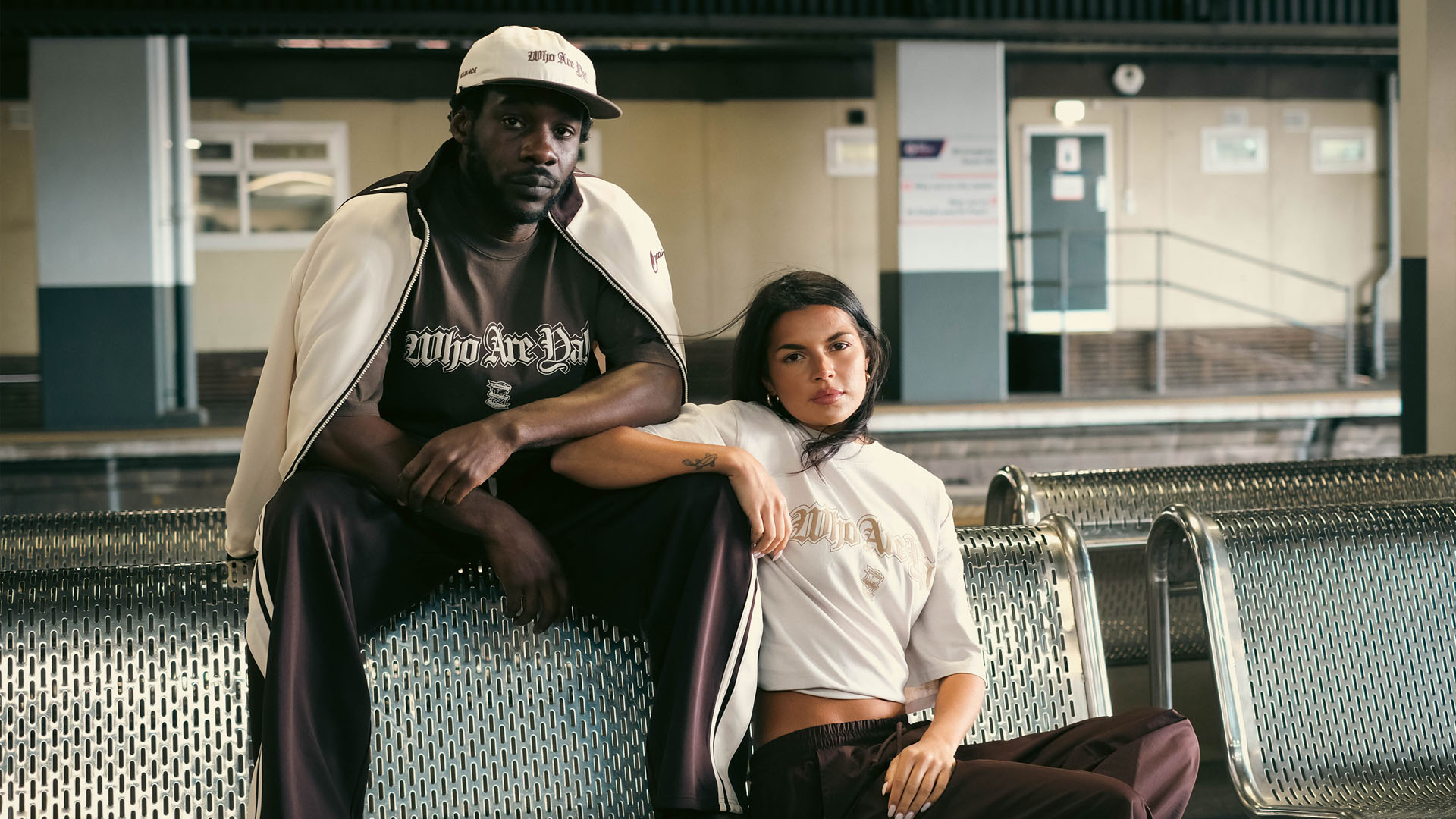
This desire to display their commitment and passion to the club has led to a demand for the creation of lifestyle ranges. More understated branding, heritage collections and streetwear influences are working their way into carefully curated collections within club merchandising. This shift encourages clubs to think more broadly about wider categories too, including accessories, homeware and other products which extend into the everyday life of their supporters.
For these progressive thinking clubs, this isn’t a way to replace traditional merchandising. It’s a way of building on those ranges and increasing the number of occasions within which a supporter can engage with the club.
Retail is one of the most visible expressions of a football club’s identity. Every piece of apparel, product image, physical store environment, order delivery experience and piece of packaging communicates something about the brand. Executed well, retail reinforces the values and personality of the club. Done poorly, it can feel disconnected, generic or driven only by the need to fill store displays.
Understanding what makes a club’s identity distinctive is one of the biggest challenges. The strongest retail ranges are rarely those with the most products. They’re those with the authentic translation of their brand. History and heritage may be central to the core of one club’s fanbase. Local culture, music, youth identity or strong connections to international followings may be more relevant to others. This isn’t a one-size-fits-all and can’t be copied from club to club. What works for one club won’t be the answer for another. Clubs must interpret their own club story in a way that feels credible to its own unique audience.
These progressive clubs are identifying that club retail can no longer operate as a standalone department. Brand, marketing, digital, commercial and retail teams must be aligned. A successful lifestyle range cannot simply appear in the club shop without any context. It needs the right creative treatment, storytelling, launch planning and a thought-through customer journey. The product and narrative must align.
This modern approach also requires discipline. The growth of lifestyle merchandise does not mean that every club can suddenly sustain constant new collection drops or pursue every collaboration opportunity in an attempt to become a fashion label. Supporters will quickly recognise if something feels forced. New introductions must still be relevant, wearable, suitably priced and appropriate to the club’s fanbase.
This isn’t simply an opportunity to sell more product. It’s the opportunity to build a stronger, more meaningful presence in the everyday life of their supporters.
Traditional club retailing will always have an important role to play, but the clubs that are achieving the longest-term success are those that are looking beyond the shop itself and recognising retail for what it is becoming: a major extension of the club’s brand.